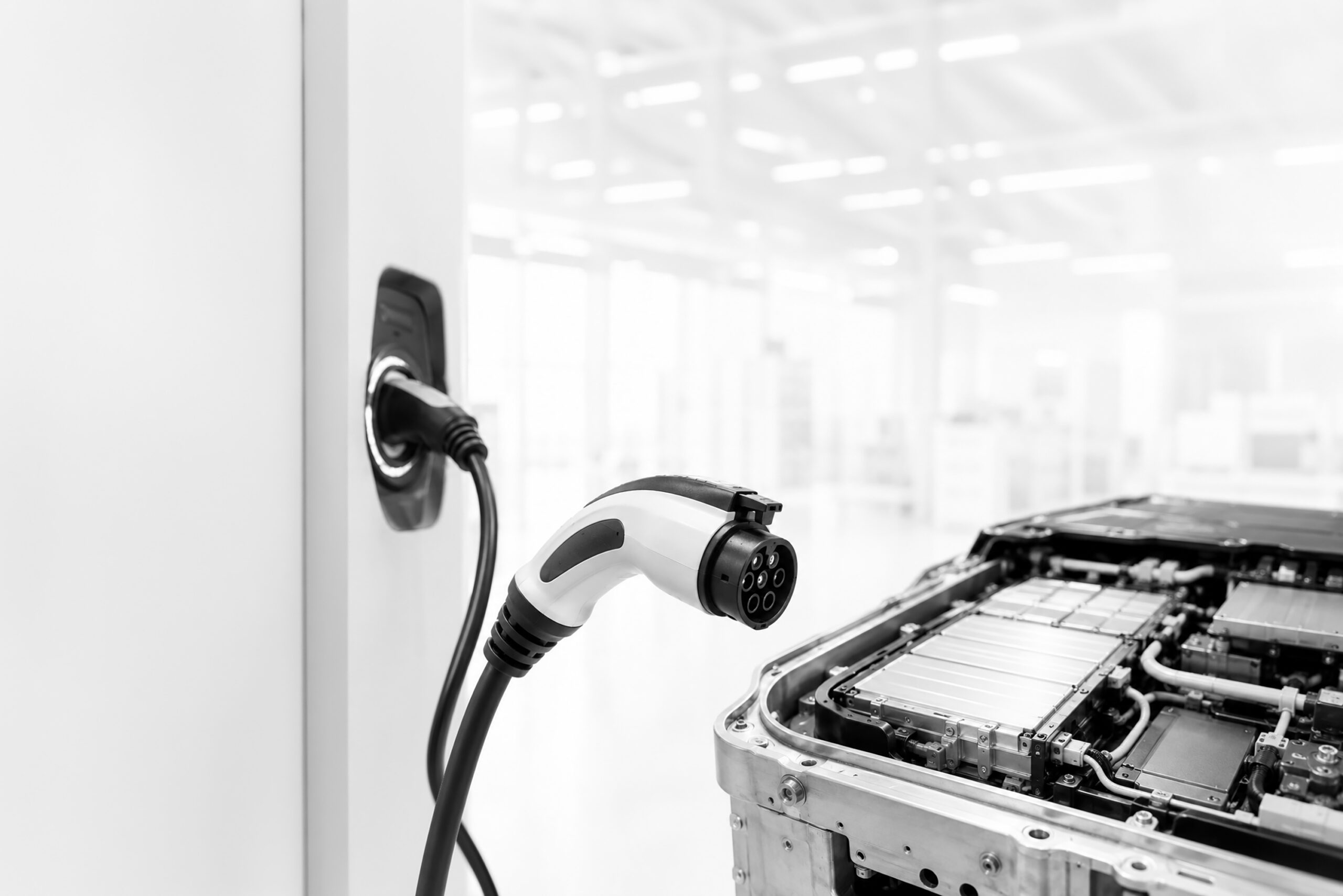
Battery management and intelligent charging across the full battery lifecycle
Two phases where battery problems occur, and how the network solves both
The problem:
The solution:
The problem:
The solution:
Proactive battery management for commercial fleets, Independent, OE and specialist battery workshops
Key Capabilities
- Continuous battery health monitoring across commercial and industrial fleets
- Proactive diagnosis: identifies failing batteries before they cause operational disruption
- Workshop integration: condition data built into routine servicing workflows
- Commercial vehicle programs: for automotive dealerships, logistics fleets, and industrial operators
Intelligent charging systems for demanding applications
3 things that separate intelligent charging from a commodity charger
Charge algorithm matching
Desulfation technology
Maintenance mode
Product Range
- MPL series battery chargers – intelligent charge management for automotive, industrial, and fleet environments
- Battery support units and showroom conditioners – maintaining condition during display, storage, and pre-delivery
- Bespoke OEM charging solutions – custom-specified systems for manufacturers' specific battery, packaging, and interface requirements
Who delivers this service
Fleet Battery Management Specialist
Battery Charging Systems Specialist
Frequently asked questions
Battery management covers monitoring, diagnosis, and maintenance of battery health — tracking state of charge, state of health, and identifying degradation before failure. Battery charging is the process of restoring energy using a controlled charge profile. The two are complementary: good battery management tells you when and how a battery needs charging; good charging ensures every cycle preserves rather than damages the battery. The Assessimus network provides both through two dedicated specialists.
Sulfation occurs in lead-acid batteries when sulfate crystals form on the lead plates during partial-state-of-charge operation. Over time, these crystals reduce active plate area and battery capacity. Desulfation applies specific charge pulses to break down these crystals and restore active material. When applied correctly at the right stage of degradation, it can recover significant capacity from batteries that would otherwise be replaced.
The Robis System is a proactive battery management platform for commercial and fleet applications. It continuously measures battery health parameters across a fleet — identifying batteries that are degrading before they fail in service — and integrates this data into workshop maintenance workflows, making it practical to act on battery condition as part of routine servicing.
Yes. The network's charging specialist designs bespoke OEM charging systems to the manufacturer's battery type, packaging constraints, interface requirements, and production volumes — including both hardware design and charge algorithm development for the target application.